
A Night at CARME 2.0
An unfiltered look at a night inside CARME 2.0 — where atmosphere, rhythm, and discretion shape the experience more than visibility.
Introduction
Some spaces reveal themselves slowly.
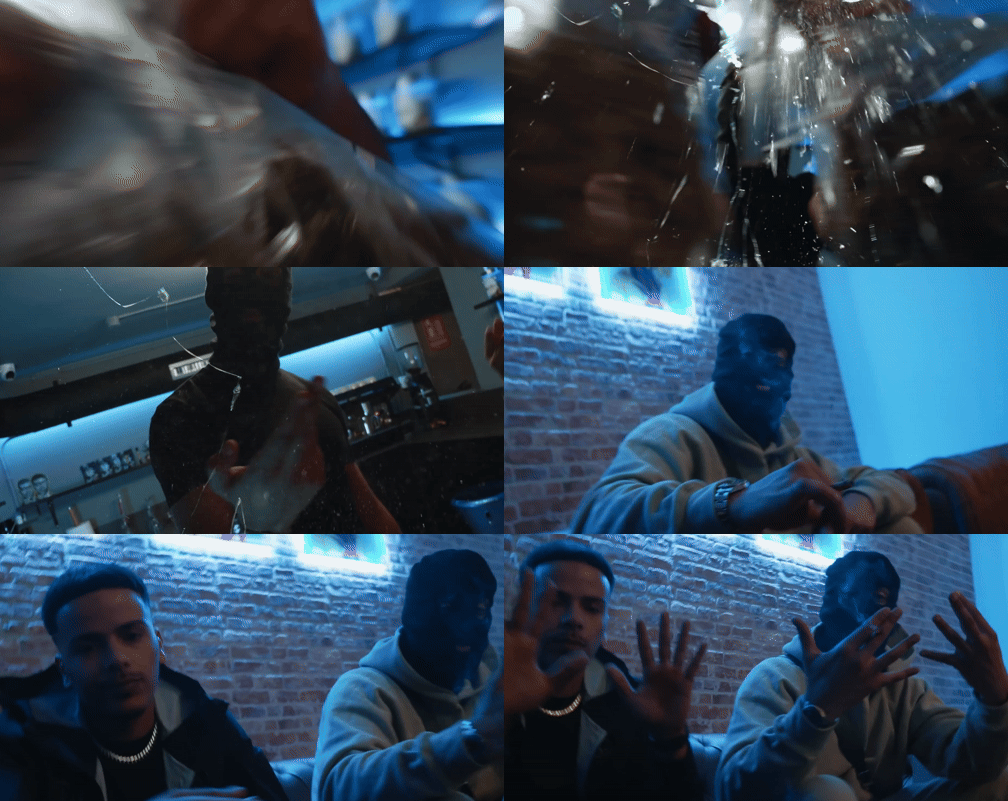
A night at CARME 2.0 does not begin with arrival, nor does it announce itself through spectacle. It unfolds through atmosphere — shaped by sound, light, and the unspoken understanding shared by those present.
This is not an event recap. It is a quiet documentation of how a private space comes alive over time.
Arrival Without Performance
There is no queue, no signage competing for attention.
Arrival is understated. Conversation begins naturally. The space does not demand participation — it allows it.
This approach reflects the broader philosophy of private cannabis social clubs in Barcelona, where discretion and continuity matter more than exposure, as explained in How Cannabis Social Clubs Work in Barcelona.
The Atmosphere Sets the Pace
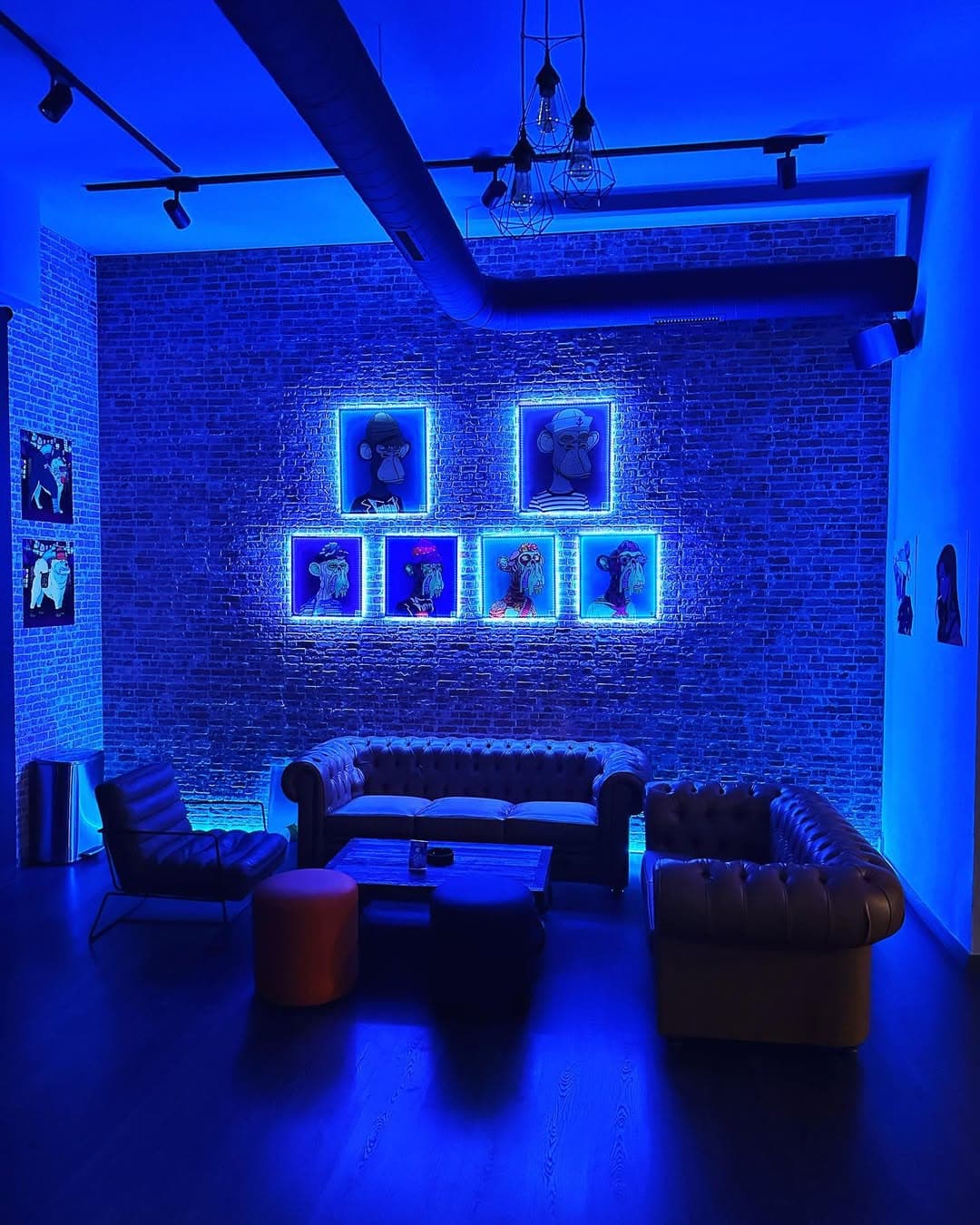
Lighting remains low and intentional. Sound travels without urgency. Music does not interrupt conversation — it supports it.
The pace is unforced. People settle in rather than cycle through. Familiar faces return, reinforcing a sense of continuity rather than novelty.
This balance between sound, space, and presence is what differentiates private environments from volume-driven models, a contrast explored further in Why Quality Over Volume Defines the Best Cannabis Experiences.
Conversation Over Consumption
Consumption is present, but not dominant.
Attention remains on interaction. Conversations move easily between topics — music, craft, shared references. The environment encourages moderation and awareness.
This dynamic reflects the broader cultural context of cannabis in Barcelona, where experience is shaped by setting rather than access alone, as discussed in Cannabis Culture in Barcelona: Beyond Clubs.
Music as Atmosphere, Not Event
Music exists without announcement.
There is no stage separation, no expectation of performance. Tracks blend into the background, occasionally drawing focus before receding again.
This approach mirrors the tone of private artist sessions, where listening takes precedence over visibility — a dynamic explored in Inside a Private Artist Session at CARME 2.0.
Craft Without Display
Selection is curated quietly.
There are no menus designed to impress, no emphasis on abundance. Quality is assumed, not advertised. Familiarity replaces novelty.
This restraint aligns with how craft is understood within premium cannabis environments, where flower, hash, and rosin are chosen for expression rather than excess, as outlined in Hash vs Rosin vs Flower: Understanding Cannabis Craft.
Discretion as Shared Understanding
Phones remain secondary. Photography is limited. Moments are experienced rather than captured.
Discretion here is not enforced through rules. It is maintained through mutual awareness — a shared understanding that the value of the space depends on its privacy.
This principle also explains why access remains selective and why not all requests are accepted, a topic explored further in Can Tourists Join Cannabis Clubs in Barcelona?.
Time Changes the Space
As the night progresses, the room changes subtly.
Conversations deepen. Movement slows. The initial energy settles into something quieter and more focused.
This transformation is not accidental. It is the result of structure, intent, and shared standards — the same qualities that define what makes a cannabis club premium, as discussed in What Makes a Cannabis Club ‘Premium’?.
Departure Without Closure
There is no closing moment.
People leave gradually, without announcement. The night does not end — it dissolves.
What remains is not content for social feeds, but a shared memory shaped by presence rather than documentation.
Final Thoughts
A night at CARME 2.0 is defined less by what happens than by how it feels.
It is a reminder that certain experiences gain meaning through restraint, continuity, and discretion. In a city saturated with visibility, this quiet persistence becomes its own form of distinction.
Some spaces are not designed to be seen. They are designed to be experienced.