Inside a Private Artist Session at CARME 2.0
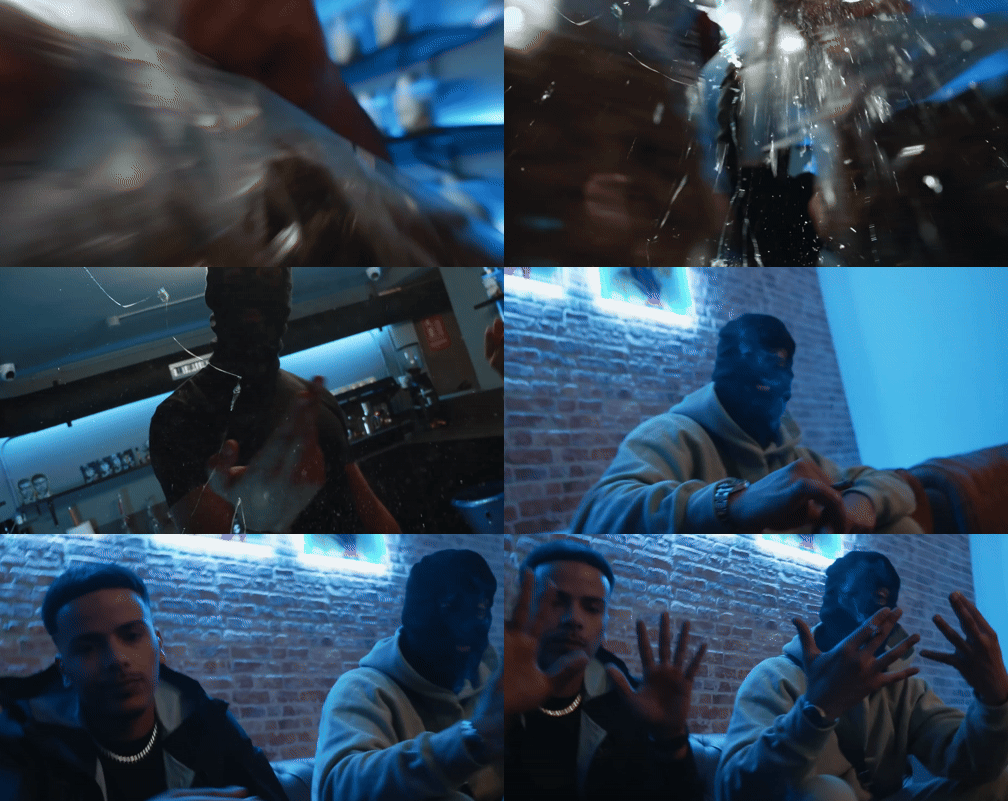
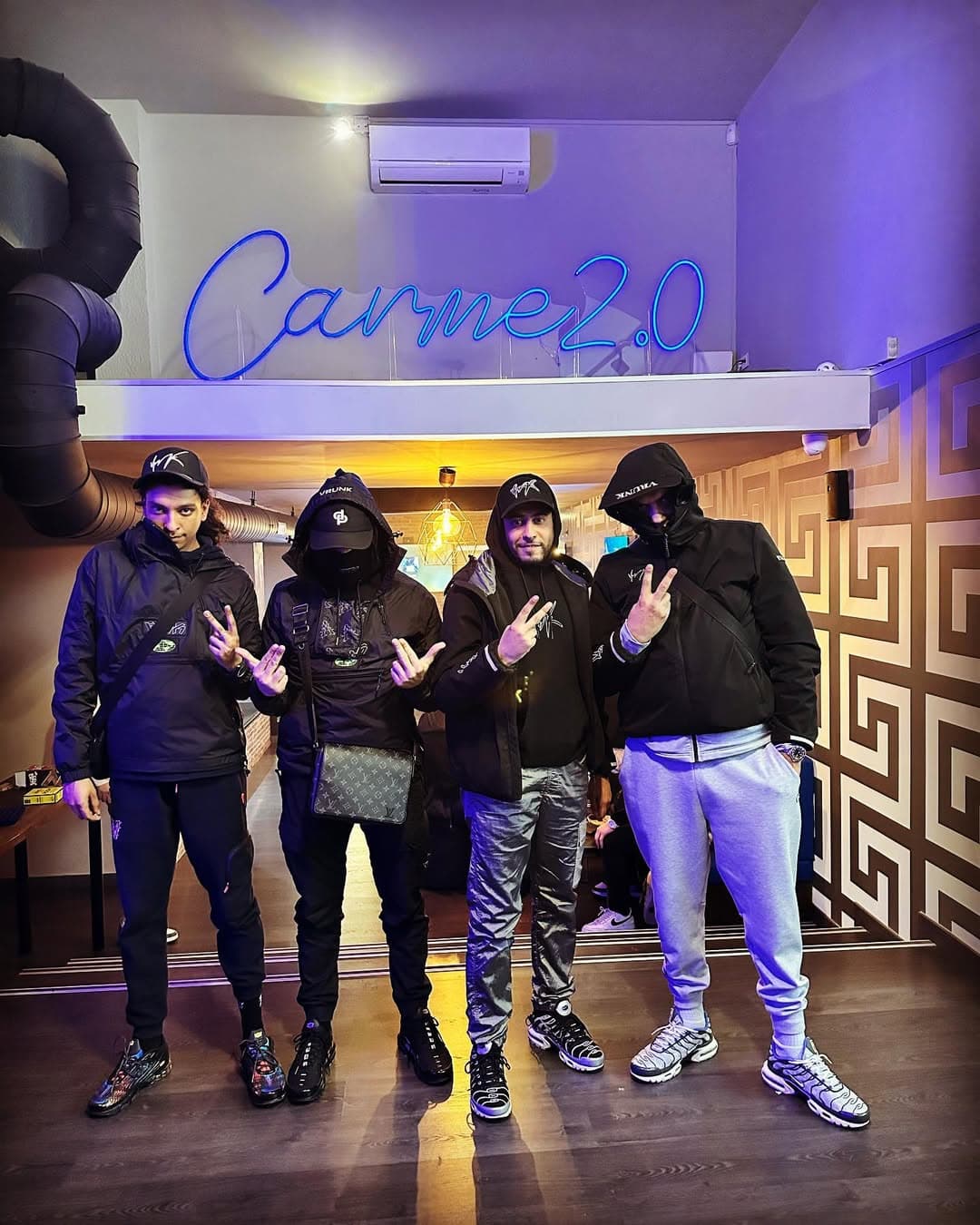
A quiet look inside a private artist session at CARME 2.0 — where music, atmosphere, and restraint shape the experience more than visibility.
Introduction
Some moments are not designed for documentation.
Private artist sessions exist precisely because they allow music and conversation to unfold without external pressure. At CARME 2.0, these sessions are not events in the traditional sense. They are gatherings shaped by trust, shared presence, and an understanding that not everything needs to be seen.
This article offers a restrained look inside one such session — not to promote it, but to contextualize how culture quietly forms within private spaces.
A Space Prepared for Listening
Before any artist arrives, the space already sets the tone.
Lighting remains low and intentional. Sound is treated with care. Seating encourages proximity without crowding. The environment does not demand attention — it supports it.
This approach reflects a broader philosophy common to private cannabis social clubs in Barcelona, where atmosphere and intent matter more than spectacle, as explained in How Cannabis Social Clubs Work in Barcelona.
The Role of Privacy
Privacy is not a barrier here. It is a condition.
Artist sessions take place among members who understand the importance of discretion. Phones are secondary. Recording is limited. The focus remains on presence rather than capture.
This shared agreement allows artists to perform without expectation and listeners to engage without distraction.
In this sense, privacy becomes a creative enabler.
Music Without Performance Pressure
Unlike public shows, private sessions remove the need to perform outwardly.
There is no stage hierarchy, no applause requirement, no algorithm to satisfy. Music unfolds organically — sometimes structured, sometimes improvised.
This environment favors exploration over perfection. Mistakes are allowed. Silence is respected.
It is a setting where listening becomes active rather than passive.
Culture Emerges Through Context
What defines these sessions is not who attends, but how they unfold.
Conversation happens between tracks. Familiar faces return. New connections form quietly. Over time, a shared language develops — not announced, but understood.
This process reflects the broader dynamics of cannabis culture in Barcelona, where continuity and shared values shape spaces more than visibility, as discussed in Cannabis Culture in Barcelona: Beyond Clubs.
Why These Sessions Remain Private
It would be easy to frame private artist sessions as exclusive experiences. That framing misses the point.
They remain private because:
- The environment depends on trust
- The creative process benefits from restraint
- Exposure changes behavior
Publicizing such moments would alter their nature. Privacy preserves authenticity.
This philosophy mirrors the distinction between private cannabis clubs and tourist-oriented access models, explored in Private Cannabis Clubs vs Weed Tourism in Barcelona.
Craft Beyond the Music
While music often anchors these sessions, it is not the only craft involved.
Attention is given to:
- Timing
- Flow
- Sensory balance
- Respectful consumption
These details align with a broader appreciation for quality and restraint — values that extend to how cannabis is curated and experienced in premium environments, as outlined in Hash vs Rosin vs Flower: Understanding Cannabis Craft.
No Audience, Only Presence
There is no audience here.
Everyone present participates simply by being there. This absence of spectatorship changes the dynamic. It encourages sincerity and reduces performance.
In a city saturated with events, this simplicity becomes rare — and meaningful.
Final Thoughts
Private artist sessions at CARME 2.0 are not designed to scale or repeat predictably.
They exist because certain forms of culture require privacy, time, and trust. Their value lies not in documentation, but in the shared memory of those present.
In a digital world driven by exposure, these moments endure precisely because they remain quiet.