

Cannabis Culture in Barcelona: Beyond Clubs
Barcelona’s cannabis culture extends far beyond social clubs. This article explores the city’s unique relationship with privacy, creativity, and collective spaces — and why culture matters more than access.
Introduction
Barcelona’s cannabis culture is often described through its social clubs. While these associations play an important role, they are only one expression of a broader cultural landscape shaped by privacy, creativity, and collective life.
To understand cannabis culture in Barcelona, one must look beyond access points and directories, and instead consider the social values, historical context, and creative environments that allow these spaces to exist.
Culture, here, is not a product. It is a shared practice.
A City Built on Associations
Barcelona has a long tradition of civic and cultural associations. From neighborhood collectives to artistic societies, private membership-based spaces have always played a role in the city’s social fabric.
Cannabis social clubs emerged within this tradition — not as commercial ventures, but as extensions of collective organization. Their structure mirrors other private associations in the city: closed, member-governed, and internally regulated.
This model explains why cannabis culture in Barcelona developed quietly, without the spectacle seen elsewhere.
Privacy as a Cultural Value
Privacy is often misunderstood by outsiders as secrecy. In Barcelona, privacy functions differently.
It represents:
- Respect for personal space
- Protection of collective agreements
- A boundary between public and private life
Cannabis culture adopted this value naturally. Consumption occurs in private, among members who share responsibility for maintaining discretion.
This emphasis on privacy is central to how cannabis social clubs operate, as explained in detail in How Cannabis Social Clubs Work in Barcelona.
Creativity, Music, and Shared Spaces
Cannabis culture in Barcelona intersects closely with creative communities.
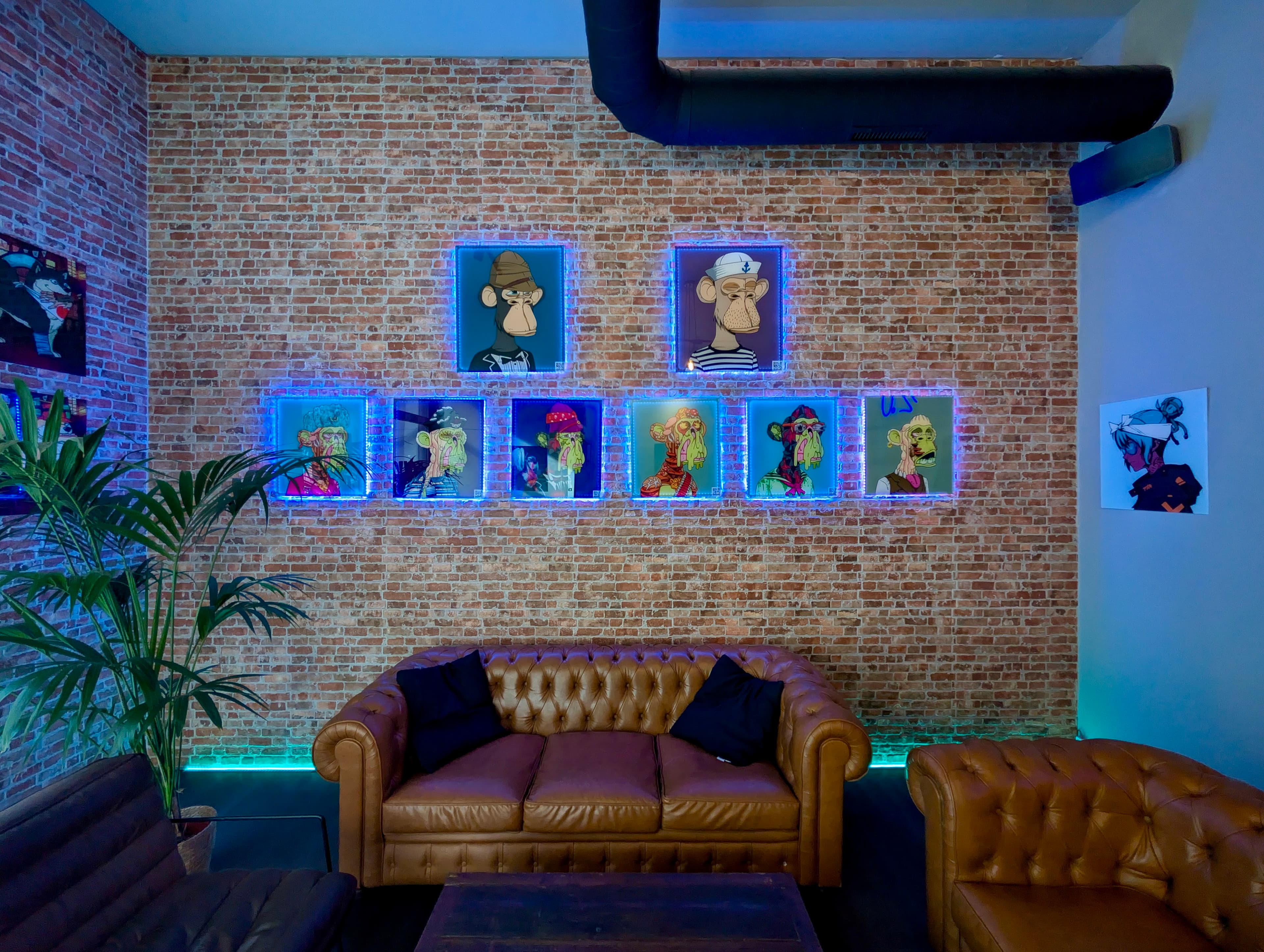
Music, visual arts, and informal gatherings have long found space within private social environments. These settings allow for expression without performance pressure, commercialization, or public exposure.
In this context, cannabis becomes part of a broader atmosphere — not the focal point, but an element within a shared experience.
Many associations quietly become cultural meeting points simply because they value:
- Atmosphere over throughput
- Conversation over consumption
- Continuity over visibility
The Difference Between Culture and Consumption
Consumption is an action. Culture is a relationship.
Where consumption focuses on access, culture focuses on context. This distinction matters greatly in Barcelona.
Cannabis culture here is shaped by:
- Time spent, not quantity consumed
- Familiarity, not novelty
- Shared norms, not individual entitlement
This is one reason why private clubs differ so strongly from tourist-driven models, a distinction explored further in Private Cannabis Clubs vs Weed Tourism in Barcelona.
Why Barcelona Feels Different
Visitors often describe Barcelona’s cannabis scene as “different,” even when they cannot articulate why.
Several factors contribute:
- The absence of overt commercialization
- The lack of public-facing branding
- The integration of clubs into everyday urban life
- The coexistence of creativity, restraint, and informality
Cannabis does not dominate the cultural identity of the city. Instead, it exists alongside music, food, architecture, and nightlife — woven quietly into the background.
Discretion as a Shared Agreement
Discretion is not enforced solely by rules. It is upheld socially.
Members understand that discretion protects:
- The association
- Fellow members
- The continuity of the space
This shared understanding creates an environment where behavior is moderated not by surveillance, but by collective expectation.
Clubs that succeed culturally are those where discretion is internalized, not imposed.
The Role of Time and Continuity
Culture cannot be rushed.
In Barcelona, cannabis culture developed gradually through long-term participation. Members return to the same spaces, encounter familiar faces, and build informal networks.
This continuity contrasts sharply with transient, high-turnover models. It also explains why some clubs remain small and selective — not to exclude, but to preserve stability.
Why Culture Resists Mass Exposure
Cultural ecosystems thrive when they remain contextual.
Mass exposure often strips nuance, replacing it with simplified narratives. This is why many culturally significant spaces in Barcelona remain undocumented or intentionally understated.
Cannabis culture follows the same pattern. Its most meaningful expressions occur quietly, within trusted environments, away from external validation.
Culture Is Not a Marketing Tool
One of the risks facing cannabis culture globally is its reduction to branding.
When culture becomes a marketing asset, it loses its grounding. In Barcelona, many associations consciously resist this shift by avoiding overt promotion and focusing instead on internal cohesion.
This resistance preserves authenticity — and explains why some of the city’s most culturally rich spaces remain unknown to the wider public.
A Living, Evolving Landscape
Cannabis culture in Barcelona is not static. It evolves with the city, responding to legal pressure, social change, and generational shifts.
What remains constant is the emphasis on:
- Collective responsibility
- Private space
- Cultural continuity
These principles shape not only clubs, but the broader ecosystem surrounding them.
Final Thoughts
To understand cannabis culture in Barcelona, one must move beyond lists, maps, and surface-level access.
Culture here is built through shared values: discretion, creativity, respect, and time. Social clubs are one expression of this culture, but not its entirety.
Those who approach the city with patience and awareness will find that cannabis culture in Barcelona reveals itself not through visibility, but through context.
It exists quietly — sustained by intention rather than attention.