

Why Quality Over Volume Defines the Best Cannabis Experiences
In cannabis culture, volume is easy. Quality requires intent. This article explores why the most meaningful cannabis experiences are shaped by restraint, not scale.
Introduction
Volume is measurable. Quality is not.
In cannabis culture, this distinction defines the difference between consumption and experience. As access expands and visibility increases, the temptation to prioritize scale becomes constant. More members. More product. More exposure.
Yet the most meaningful cannabis experiences rarely emerge from abundance. They are shaped instead by intent, restraint, and context.
Volume Solves Convenience, Not Meaning
Volume serves efficiency.
It simplifies access, accelerates turnover, and satisfies immediate demand. In transactional models, this approach makes sense. In cultural environments, it often erodes what made the experience valuable in the first place.
When volume becomes the priority:
- Atmosphere becomes secondary
- Standards loosen
- Responsibility diffuses
- Identity blurs
This pattern is visible across many spaces that shift from private association to quasi-public access.
Why Quality Requires Limits
Quality depends on boundaries.
Boundaries determine:
- How many people share a space
- How much attention can be given to detail
- How behavior is moderated socially
- How continuity is maintained over time
Private cannabis clubs that endure understand this instinctively. Their structure reflects the principles outlined in How Cannabis Social Clubs Work in Barcelona, where limitation is not a constraint, but a safeguard.
Experience Is Contextual
A cannabis experience is shaped less by what is consumed than by where, how, and with whom.
Context includes:
- Atmosphere
- Sound and lighting
- Pace
- Social dynamics
When spaces become crowded or rushed, context collapses. What remains is access without depth.
This is why private, culture-driven environments differ so sharply from tourist-oriented models — a contrast explored in Private Cannabis Clubs vs Weed Tourism in Barcelona.
The Illusion of “More”
More options do not always improve experience.
An extensive menu can overwhelm rather than inform. High potency can overshadow nuance. Constant novelty can prevent familiarity from forming.
Quality-oriented environments favor:
- Curated selection
- Consistency over trends
- Familiarity over novelty
This philosophy aligns closely with craft-focused approaches to cannabis, where flower, hash, and rosin are appreciated for expression rather than excess, as discussed in Hash vs Rosin vs Flower: Understanding Cannabis Craft.
Social Balance Over Throughput
Volume increases throughput. Quality protects balance.
In smaller, stable environments, social norms emerge organically. Members recognize one another. Behavior self-regulates. Discretion becomes implicit rather than enforced.
This balance is difficult to sustain at scale. As numbers grow, anonymity replaces accountability.
Culture, by nature, resists mass replication.
Why the Best Experiences Feel Unremarkable at First
Truly quality experiences often feel understated initially.
They do not announce themselves. They do not rely on spectacle. Their value reveals itself gradually — through comfort, consistency, and ease.
This subtlety is often mistaken for simplicity. In reality, it reflects careful calibration.
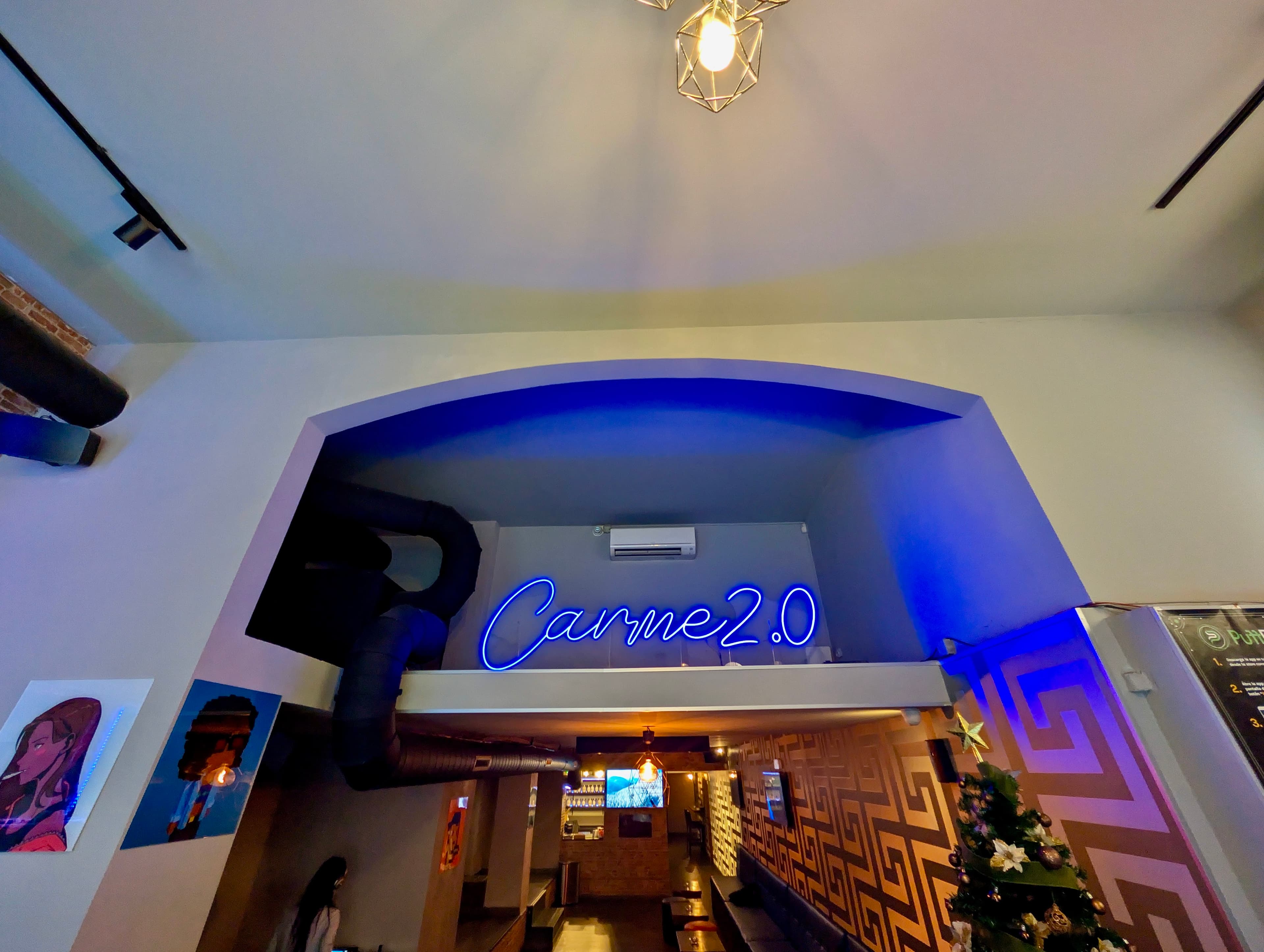
Private artist sessions, for example, derive their power not from performance, but from presence — a dynamic illustrated in Inside a Private Artist Session at CARME 2.0.
Volume Changes Behavior
As spaces scale, behavior shifts.
People arrive with different expectations. Attention fragments. Responsibility diffuses. What was once shared becomes transactional.
Quality-focused environments actively resist this shift by limiting growth and reinforcing shared standards — principles that define what it means for a cannabis club to be considered premium, as explored in What Makes a Cannabis Club ‘Premium’?.
Choosing Less, Intentionally
Choosing quality over volume is not a rejection of access. It is a commitment to experience.
It means:
- Saying no more often
- Prioritizing continuity over reach
- Valuing depth over metrics
In a culture increasingly driven by scale, this choice becomes a defining statement.
Final Thoughts
The best cannabis experiences are rarely the most visible.
They are shaped quietly, over time, by people who understand that quality cannot be rushed or multiplied without consequence. In environments where intent guides structure, restraint becomes an asset rather than a limitation.
Volume may satisfy demand. Quality creates meaning.