

Private Cannabis Clubs vs Weed Tourism in Barcelona
Barcelona’s cannabis scene is often misunderstood. This article explains the difference between private cannabis clubs and weed tourism, and why intent, discretion, and culture matter.
Introduction
Barcelona has become one of Europe’s most talked-about cities in conversations around cannabis. Yet much of what circulates online reduces a complex ecosystem to a single idea: weed tourism.
This simplification does not reflect reality.
Cannabis social clubs in Barcelona were not created for mass tourism. They emerged from a specific legal interpretation and a long tradition of private associations. Over time, two very different models began to coexist: private cannabis clubs and tourist-oriented access points.
Understanding the difference between these two approaches is essential — not only for visitors, but for anyone seeking to understand how cannabis culture functions responsibly in the city.
What Is Weed Tourism?
Weed tourism refers to short-term visitors seeking cannabis access as part of their travel experience.
In practice, this often involves:
- Searching for “weed Barcelona” online
- Discovering directories or promotional websites
- Expecting immediate, transactional access
- Treating clubs as interchangeable venues
This mindset mirrors commercial models seen elsewhere, such as retail dispensaries or coffee shops. However, Barcelona’s cannabis ecosystem does not legally support this structure.
When tourism becomes the primary focus, important boundaries are blurred.
Why Cannabis Social Clubs Were Never Designed for Tourism
Cannabis social clubs exist under a framework that prioritizes privacy, association, and collective responsibility.
They are:
- Non-profit
- Closed to the public
- Governed by internal rules
- Dependent on controlled membership
Tourism, by contrast, introduces:
- High turnover
- Limited accountability
- Short-term consumption
- Increased legal exposure
This tension explains why many established clubs remain selective, quiet, and intentionally difficult to access.
The model survives through restraint — not expansion.
The Characteristics of Private Cannabis Clubs
Private cannabis clubs operate with a fundamentally different philosophy.
Common characteristics include:
- Limited number of members
- Long-term participation
- Emphasis on behavior and respect
- Controlled cultivation and distribution
- Discreet presence
These clubs function as social environments, not service providers. Access is granted through trust, alignment, and mutual understanding of boundaries.
Membership is a relationship, not a convenience.
Tourist-Focused Clubs: A Different Path
Some associations choose to operate closer to a tourist-friendly model. These clubs may:
- Appear in online directories
- Use aggressive SEO or advertising
- Offer rapid onboarding
- Prioritize volume
While this approach can generate short-term visibility, it often comes at a cost. Clubs operating this way face greater scrutiny and legal risk, and their longevity is less certain.
It is important to understand that not all clubs follow this path — and that many deliberately avoid it.
Legal and Cultural Risk
The legal tolerance that allows cannabis social clubs to exist is not guaranteed.
Spanish courts have repeatedly emphasized that:
- Clubs must not promote consumption publicly
- Membership should not be indiscriminate
- Activities must remain private
Tourism-driven access increases exposure and weakens the argument that clubs exist solely for collective personal use.
As a result, private associations often enforce stricter criteria — not out of exclusivity for its own sake, but for survival.
Why Discretion Is Central, Not Optional
Discretion is often misunderstood as elitism. In reality, it is structural.
Private clubs rely on:
- Mutual trust
- Respect for privacy
- Controlled communication
- Low public visibility
This protects members, staff, and the association itself. It also preserves the cultural integrity of the space.
Clubs that abandon discretion tend to lose both credibility and stability.
Experience vs Access
Weed tourism focuses on access.
Private clubs focus on experience.
The difference is subtle but decisive.
Experience includes:
- Atmosphere
- Community
- Shared standards
- Curated selection
- Time
Access alone reduces a complex environment to a transaction. Experience requires intention.
Why Some Clubs Decline Requests
From the outside, selectivity can appear arbitrary. In reality, it reflects alignment.
Clubs may decline requests based on:
- Short-term intent
- Lack of understanding of the model
- Incompatible behavior expectations
- Capacity limitations
This is not a judgment of individuals, but a reflection of how private associations protect their internal balance.
Barcelona’s Cannabis Culture Beyond Tourism
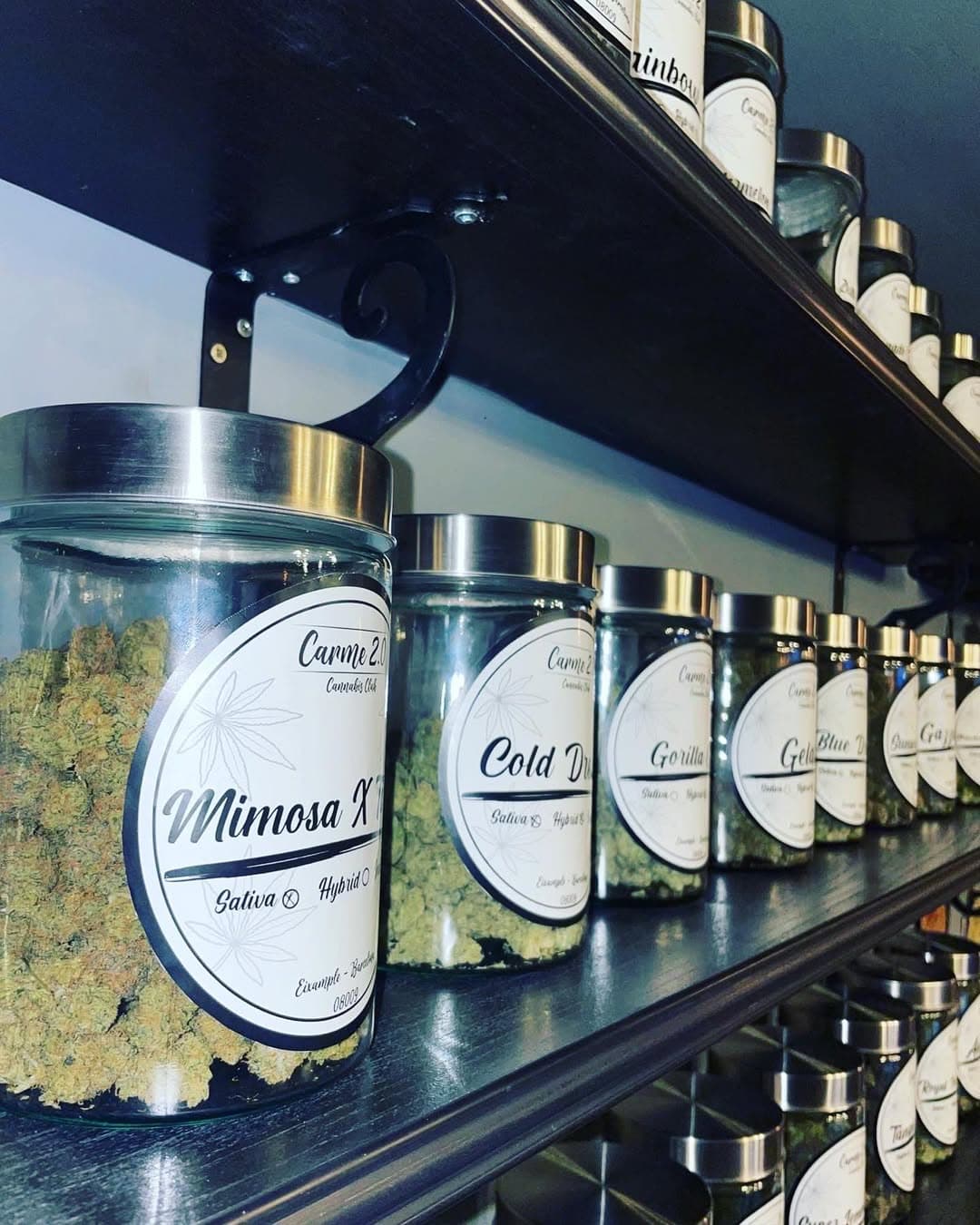
Barcelona’s cannabis culture is deeply intertwined with music, art, and private social life. Many associations exist quietly, without signage or promotion, serving local communities and creative networks.
These spaces rarely appear in tourist guides — and intentionally so.
Their value lies not in visibility, but in continuity.
Choosing Awareness Over Assumption
For those visiting Barcelona, understanding the distinction between private cannabis clubs and weed tourism leads to better outcomes.
Awareness means:
- Respecting local norms
- Understanding legal boundaries
- Accepting that access is not guaranteed
- Valuing discretion over immediacy
This mindset aligns far more closely with how the system was designed to function.
Final Thoughts
Cannabis social clubs in Barcelona are not a product of tourism. They are a product of law, culture, and collective discipline.
While weed tourism may dominate online search results, it represents only a surface layer of a much deeper ecosystem.
Private cannabis clubs endure because they prioritize intent over volume, experience over access, and responsibility over visibility.
That distinction defines the difference — and explains why access remains limited by design.